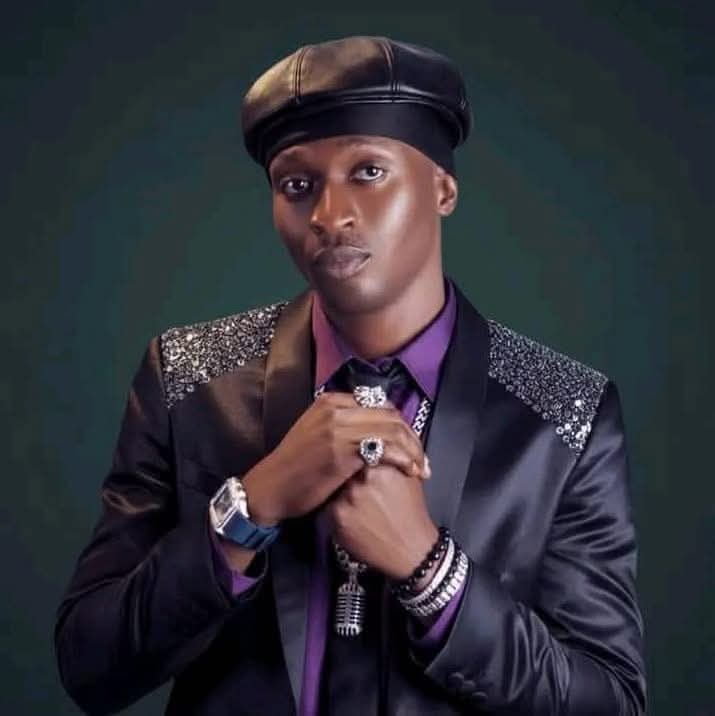
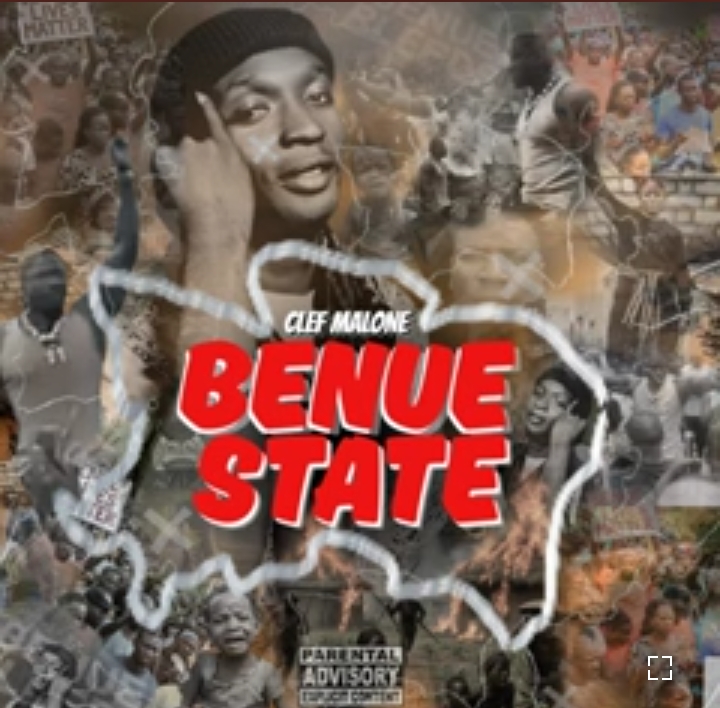
Clef Malone’s “Benue State” is a raw, emotionally charged anthem that confronts the harsh realities facing one of Nigeria’s most culturally rich regions. Far from being a feel-good tribute, the song dives deep into the pain, fear, and disillusionment that have gripped communities across Benue. Through haunting melodies and stark lyrics, Malone paints a picture of a place where violence has become tragically familiar, and survival often feels like a solitary pursuit.
The line “Benue State is all man for himself” isn’t just a catchy hook—it’s a chilling reflection of the breakdown in communal trust and the absence of reliable protection. Malone’s voice carries the weight of frustration and sorrow as he recounts the killings that have plagued the state, from rural villages to urban centers. His storytelling doesn’t shy away from the uncomfortable truths: the silence of leadership, the helplessness of victims, and the growing sense that people must fend for themselves in a land that once thrived on unity and kinship.
 Ad
What makes the song powerful isn’t just its message, but its courage. Clef Malone doesn’t sugarcoat the situation or offer hollow optimism. Instead, he uses his platform to amplify the voices of those who feel forgotten, those who live in fear, and those who mourn without justice. “Benue State” is more than music—it’s a protest, a lament, and a call to awareness. It forces listeners to reckon with the human cost of conflict and the urgent need for change.
In a bold move to turn pain into power, Clef Malone has also launched an open verse challenge, inviting artists from across Benue to lend their voices to the conversation. It’s a call for collaboration, for healing through art, and for the youth to speak their truth. By opening the floor to fellow creatives, Malone is building a chorus of resistance and resilience—one verse at a time.